
This Sleep Mistake Can Raise Your Risk of Running Injuries
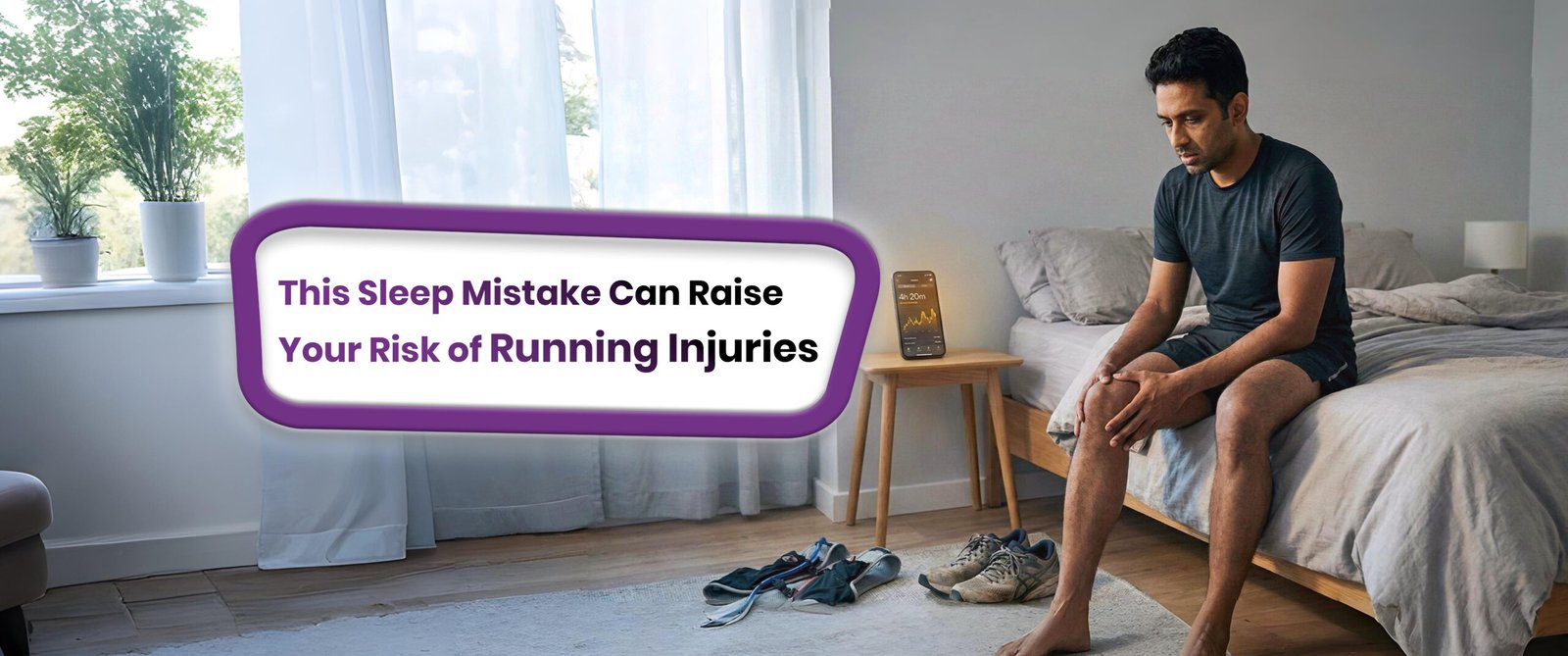
As a sports medicine physician, I’ve witnessed countless runners meticulously plan their training programs, optimize their nutrition, and invest in the perfect pair of shoes—only to completely overlook the single most powerful recovery tool available to them: quality sleep. Recent research reveals a sobering truth that every runner needs to understand: poor sleep nearly doubles your injury risk.
The Sleep-Injury Connection: What the Science Tells Us

A groundbreaking study published in Applied Sciences tracked 425 recreational runners over 12 months and uncovered a striking pattern. Runners classified as “poor sleepers”—those experiencing shorter sleep duration, poor sleep quality, or frequent sleep disturbances—were 1.78 times more likely to sustain injuries compared to those with stable, quality sleep. More alarmingly, these poor sleepers faced a 68% probability of getting injured within a year.
This isn’t just correlation—it’s causation with clear biological mechanisms. When you sleep less than seven hours per night, your body’s ability to repair tissues, regulate hormones, and maintain cognitive focus diminishes dramatically. For the 620 million recreational runners worldwide—up to 90% of whom experience injury at some point—understanding this connection could be transformative
The injury risk extends beyond musculoskeletal damage. Athletes sleeping fewer than 7 hours per night exhibit approximately 1.7 times the injury risk of well-rested peers, and those sleeping 5.8 hours or less face nearly twice the concussion risk compared to those getting over 7 hours.
Why Sleep Deprivation Destroys Your Running Performance

The Hormonal Catastrophe
Sleep isn’t merely rest—it’s when your body orchestrates critical repair and rebuilding processes. During deep sleep, particularly during slow-wave sleep (SWS or N3 stage), your body amplifies muscle recovery mechanisms and protein synthesis. This phase, characterized by delta waves (0.5–4 Hz oscillations), is when growth hormone secretion peaks and cortisol levels normalize.
Sleep restriction devastates this hormonal balance. Just one week of sleeping less than 60% of your normal duration can reduce circulating testosterone levels by 50%—and the only remedy is restoring adequate sleep duration. Meanwhile, cortisol levels—your primary stress hormone—remain elevated with insufficient sleep, promoting inflammatory processes that hinder muscle tissue repair and delay recovery.
Research demonstrates that growth hormone levels drop by nearly half with inadequate sleep, while testosterone continues rising for up to 10 hours of sleep, maxing out around 9.9 hours. For runners, this means inadequate sleep directly compromises your body’s natural performance-enhancing capabilities.
The Performance Penalty
Meta-analyses confirm that sleep deprivation significantly impairs athletic performance across multiple domains. Acute sleep loss (≤6 hours within 24 hours) negatively affects strength, anaerobic power and capacity, endurance, and skill-based activities. Runners experiencing partial sleep deprivation show a 6% reduction in distance covered during 12-minute self-paced running exercises, along with slower speeds and increased perceived exertion
The physiological toll is measurable: sleep-deprived athletes experience deterioration in minute ventilation, VO2 max levels, elevated core temperature, and altered cardiorespiratory responses. These aren’t minor inconveniences—they’re fundamental performance limiters that compromise your running economy and increase injury vulnerability.
The Sleep Tracking Trap: What Your Wearable Isn't Telling You
With the proliferation of fitness wearables, many runners now track their sleep religiously. However, most misinterpret what their devices actually measure—and this misunderstanding can lead to misguided decisions.
Understanding Sleep Architecture
Sleep progresses through distinct stages, each serving critical functions:
Stage N1 and N2 (Light Sleep): Stage 2 sleep contains K-complexes and sleep spindles—brain wave patterns linked to motor memory consolidation. For athletes, sufficient time in stage 2 is crucial for long-term retention of running techniques and motor patterns.
Stage N3 (Deep Sleep/Slow-Wave Sleep): This is your physiological recovery powerhouse. Delta waves facilitate physical restoration, immune system strengthening, and the transfer of memories from hippocampus to cortex for long-term storage. Insufficient slow-wave sleep disrupts growth hormone secretion, alters cortisol levels, and elevates pro-inflammatory cytokines (IL-6, CRP)—all of which impair muscle recovery.
REM Sleep: Far from being just the dreaming stage, REM sleep features theta oscillations critical for emotional memory processing and cognitive consolidation. For runners, REM sleep facilitates strategy development, information assimilation, and strengthening of training-related memory traces. Even a single night of sleep deprivation increases beta-amyloid accumulation in the hippocampus and thalamus, contributing to slower reaction times and impaired decision-making.
The Accuracy Problem
Most commercial wearables demonstrate reasonable accuracy for total sleep time (95% or more sensitivity for identifying sleep versus wake). However, their ability to accurately discriminate between specific sleep stages varies considerably. The Oura Ring shows the best performance with 76-79.5% sensitivity for individual sleep stages and substantial agreement (Kappa >0.61), while Fitbit and Apple Watch demonstrate moderate agreement (Kappa <0.61).[12]
Critically, even when devices correctly identify sleep stages at the epoch level, their concordance with polysomnography (the gold standard) for nightly totals of deep sleep and REM sleep can be poor. This means your wearable might tell you that you got 90 minutes of deep sleep, but the actual amount could be significantly different.[12]
The Real Mistake: Obsessing Over Numbers Instead of Quality
The most damaging sleep mistake runners make isn’t just getting insufficient sleep—it’s fixating on wearable data while ignoring the fundamental principles of sleep quality. You cannot micro-optimize individual sleep stages through conscious effort. What you can control are the environmental, behavioral, and physiological factors that enable quality sleep naturally.
Building the Foundation: Sleep Hygiene That Actually Works
As sports medicine physicians, we recognize that sleep quality is the product of multiple interconnected systems. Here’s what evidence-based practice reveals:
Circadian Alignment: Your Body’s Master Clock
Your circadian rhythm—the 24-hour biological clock—orchestrates sleep-wake cycles, metabolism, hormone secretion, and body temperature regulation. Misalignment between your internal clock and external environment devastates sleep quality and athletic performance.
Light exposure is your most powerful circadian regulator. Upon awakening, expose yourself to bright natural sunlight (or at minimum, a 10,000 lux lamp) to anchor your circadian phase. Conversely, avoid blue light from screens for at least 2 hours before bed, as it suppresses melatonin production essential for sleep initiation. If evening screen use is unavoidable, use blue-light blocking software or glasses.
Environmental Optimization
Your bedroom should mimic a cave: quiet, dark, and cool (60-70°F/15-21°C). Room temperature matters because cooling your core body temperature facilitates sleep onset, though keeping hands and feet warm with socks or gloves during winter months can paradoxically improve sleep quality.
Invest in your sleep surface—mattresses typically last a maximum of 9-10 years and can harbor allergens affecting sleep quality. Use your bed exclusively for sleep and intimacy; watching TV in bed compromises sleep architecture and causes frequent nighttime awakenings.
Meal Timing and the Gut-Sleep Connection
Emerging research reveals profound connections between gut health, meal timing, and sleep quality. A recent study of elite athletes and 257 individuals from the general population found that a multi-strain Lactobacillus probiotic consortium improved self-reported sleep quality by 69%, energy levels by 31%, and bowel movements by 37% in a placebo-controlled trial. The mechanism appears to involve modulation of testosterone, cortisol, and inflammatory markers through the gut-brain axis.
Meal timing exerts powerful effects on circadian rhythms and peripheral clocks in metabolic tissues. Consuming meals during periods of elevated melatonin (during your circadian night) impairs glucose tolerance, while eating earlier in the day aligns with natural cortisol rhythms and facilitates metabolic synchronization. For athletes, this means:
- Front-load calories: Consume larger, higher-calorie meals earlier in the day when insulin sensitivity peaks
- Strategic evening nutrition: Higher carbohydrate, high-glycemic index foods, and adequate protein (including tryptophan) at night may improve sleep, while high-fat intake can disrupt sleep
- Reduce evening fluids: Minimize fluid intake before bed to prevent nighttime bathroom trips (only if you maintain adequate daytime hydration)
The Stimulant Conundrum
Caffeine presents a genuine dilemma for runners, particularly those who train or compete in late afternoon or evening. While 3-6 mg/kg body weight consumed 60 minutes before exercise enhances performance across multiple domains, this same dose consumed before evening activities creates substantial sleep impairment.
The conflict is real: caffeine’s half-life means that pre-evening competition dosing can disrupt sleep architecture, increase sleep latency, and reduce total sleep time—even when objective measures show modest changes, athletes consistently report substantial subjective sleep impairment. For runners competing in the evening, you must individually weigh the acute performance benefits against the recovery costs of compromised sleep.
General recommendations:
- Avoid caffeine after lunch: for morning runners
- If evening competition is essential: Consider lower doses (≤3 mg/kg), earlier timing
(2+ hours before), or accept the sleep trade-off while implementing compensatory strategies (post-competition naps, next-day recovery adjustments) - Never use caffeine to compensate for chronic sleep deprivation: this creates a vicious cycle of dependence and further sleep deterioration
Supplement Strategies: Evidence-Based Support
While sleep cannot be “supplemented” into existence, certain nutrients can support natural sleep processes:
Magnesium: Critical for athletes because exercise increases magnesium losses through sweat and urine. Magnesium deficiency disrupts nerve signaling and alters sleep-inducing hormone levels including melatonin. Moderate dosing ranges from 310-420 mg daily, with magnesium glycinate taken 30 minutes before bed facilitating sleep onset while supporting muscle recovery. Dietary sources include green leafy vegetables, legumes, seeds, and whole grains.
Melatonin: While naturally occurring melatonin in foods (tart cherry juice, raspberries, goji berries, walnuts, almonds, tomatoes) may improve sleep, avoid artificial melatonin supplements for long-term use. A study examining melatonin (1.9 mg) combined with magnesium (200 mg elemental) showed improvements in sleep efficiency, latency, time in bed, and total sleep time, though participants still scored poorly on standardized sleep quality assessments.
Probiotics: As discussed earlier, multi-strain Lactobacillus formulations show promise for improving sleep quality through gut-brain axis modulation.
The Routine: Consistency Trumps Perfection
Establish non-negotiable sleep habits:
- Fixed wake time daily (including weekends and holidays)
- Consistent pre-sleep routine (reading, warm bath, relaxation techniques)
- Don’t go to bed until sleepy: if not sleepy after 20 minutes, leave the bedroom and return only when drowsy
- Avoid daytime naps if possible: if necessary, limit to 1 hour before 3 PM
- Eliminate nicotine completely
- Minimize alcohol, especially near bedtime—while it may facilitate sleep onset, it fragments sleep architecture
- Time exercise appropriately: extremely intense exercise near bedtime can raise cortisol and impair sleep
Stress, Heart Rate Variability, and Sleep: The Performance Triangle
The relationship between psychological stress, autonomic nervous system function, and sleep quality creates a critical feedback loop for runners.
Heart Rate Variability (HRV)—the variation in time intervals between heartbeats—provides a window into autonomic nervous system balance. Higher HRV indicates parasympathetic (rest-and-digest) dominance and better recovery status, while lower HRV signals sympathetic (fight-or-flight) dominance, inadequate recovery, and elevated stress.
Sleep quality profoundly affects HRV. Poor sleep patterns consistently correlate with reduced HRV, signaling that your body remains in a stressed, under-recovered state. This creates a vicious cycle: stress disrupts sleep, poor sleep reduces HRV, low HRV indicates poor recovery, incomplete recovery increases injury risk and compromises performance.
Elevated cortisol levels—whether from psychological stress, inadequate sleep, or overtraining—are a significant independent risk factor for low-level sleep quality in athletes undergoing intense training. One study found that 24 hours of sleep deprivation resulted in cortisol levels equaling those observed during official athletic competition.
Runners should integrate stress management techniques including mindfulness, meditation, breathing exercises, and monitoring HRV trends to identify when additional recovery is needed.
Actionable Sleep Protocol for Runners
Immediate Actions (This Week):
1. Establish your baseline: Track subjective sleep quality, daytime energy, training performance, and recovery sensations for 7-14 days
2. Set a fixed wake time and maintain it daily (within 30-minute window)
3. Eliminate screens 2 hours before bed: implement blue-light blocking if unavoidable
4. Optimize your sleep environment: blackout curtains, white noise machine, temperature 60-70°F
5. Front-load caffeine: none after 2 PM
Next 2-4 Weeks:
1. Gradually adjust bedtime earlier to achieve 8-9 hours sleep opportunity nightly
2. Implement pre-sleep routine: 30-60 minutes of wind-down activities (reading, stretching, meditation)
3. Adjust meal timing: larger meals earlier, lighter evening meals, avoid eating within 2-3 hours of bed
4. Trial magnesium supplementation: 310-420 mg magnesium glycinate 30 minutes before bed
5. Add morning light exposure: 15-30 minutes of bright natural light within 1 hour of waking
Ongoing Optimization (1-3 Months):
1. Consider probiotic supplementation: Multi-strain Lactobacillus formulations for gut-sleep axis support
2. Monitor training load relative to sleep quality: reduce volume/intensity if sleep deteriorates
3. Experiment with strategic naps: 20-30 minutes, before 3 PM, only if nighttime sleep remains unaffected
4. Track HRV trends: identify patterns between sleep quality, training load, and recovery status
5. Refine nutrition timing: optimize pre-bed macronutrient composition (higher carb, adequate protein, lower fat)
When to Seek Professional Help
While most runners can significantly improve sleep quality through lifestyle modifications, certain situations warrant professional evaluation:
See a Sports Medicine Doctor When:
- Persistent pain or injuries that disrupt sleep or worsen with training
- Chronic discomfort lasting weeks that interferes with daily activities
- Multiple injuries within 12 months despite adequate training management
- Declining performance despite consistent training and adequate rest days
- Suspected overtraining syndrome (persistent fatigue, mood changes, elevated resting heart rate, declining HRV)
See a Sleep Medicine Specialist When:
- Chronic insomnia (difficulty falling/staying asleep ≥3 nights/week for ≥3 months
- Excessive daytime sleepiness despite apparently adequate sleep duration
- Suspected sleep-disordered breathing (snoring, gasping, witnessed apneas)
- Unrefreshed upon waking despite 7-9 hours in bed
- Parasomnias (sleepwalking, REM behavior disorder, night terrors)
- Circadian rhythm disorders (persistent difficulty aligning sleep with desired schedule)
Athletes with persistent sleep difficulties despite implementing behavioral interventions should seek referral to sleep practitioners with experience in athletic populations. Sleep disorders are notoriously difficult to self-diagnose, and athletes often attribute symptoms to “just training hard” rather than recognizing underlying pathology requiring treatment.
The Bottom Line: Sleep Is Your Competitive Advantage

The evidence is unequivocal: quality sleep isn’t optional for injury prevention and optimal running performance—it’s foundational. Runners who sleep poorly face nearly double the injury risk, compromised recovery, hormonal disruption, and measurable performance decrements.
The most critical mistake isn’t simply sleeping too little—it’s failing to prioritize sleep quality with the same rigor you apply to your training program. Stop obsessing over wearable data points you cannot directly control. Instead, implement the evidence-based environmental, behavioral, nutritional, and recovery strategies that create the conditions for restorative sleep.
Your body performs its most critical training adaptations while you sleep. The growth hormone surge, testosterone optimization, tissue repair, neurological consolidation, and immune system strengthening that transform training stress into performance gains all occur predominantly during quality sleep.
At Ziathlon, we recognize that sports medicine extends far beyond treating injuries—it encompasses the entire ecosystem of factors that determine athletic success. Sleep optimization represents one of the highest-return interventions available to runners at every level. By understanding the science, implementing proven strategies, and seeking professional guidance when needed, you can transform sleep from an afterthought into your most powerful performance-enhancing tool.
The research is clear: you don’t get faster while running—you get faster while recovering. Make sleep your priority, and watch your injury risk plummet while your performance soars.