
The Champion’s Hidden Struggle: Why Mental Fitness Determines Victory or Defeat

India’s brightest athletes train relentlessly, sacrifice weekends, endure grueling coaching regimens, and push their bodies to the edge of human capability. Yet increasingly, these champions are collapsing not under physical strain, but under mental pressure. Anxiety paralyzes them during decisive moments. Burnout silences their competitive fire. Depression-often masked by mandatory smiles-erodes their will to perform. The paradox is stark: while India invests billions in physical facilities and coaching, athletes remain psychologically unarmored, vulnerable to the hidden warfare of the mind.
The taboo is real. Indian sporting culture remains stubbornly organized around a mythological image of mental toughness-the notion that true champions don’t need psychological support, that seeking help is weakness, that mental fitness is for the broken. Meanwhile, international competitors with dedicated sports psychologists consistently outperform India’s medal potential. The gap isn’t physical. It’s psychological. Mental fitness-the trainable capacity to regulate thoughts, emotions, and behaviors under pressure-has become the defining competitive edge. Yet in India, it remains largely unaddressed, confined to elite archery and shooting squads while 14 other Olympic sports proceed without psychological support.
This disconnect comes at a staggering cost: lost medals, derailed careers, and-in tragic cases-athletes driven to desperation by psychological crises no one trained them to navigate. It’s time to change this narrative. Mental fitness is not a luxury for the broken. It is not a wartime intervention. It is the foundational architecture of sustained athletic excellence, and it demands the same daily attention, systematic training, and professional expertise as physical conditioning.
Mental Fitness vs. Mental Health: Understanding the Critical Distinction

To address the problem, we must first untangle two concepts often conflated: mental health and mental fitness.
Mental health is a clinical category focused on the absence of illness. It addresses diagnosable disorders: depression, anxiety, PTSD, eating disorders, attention disorders. Mental health is about intervention when something has broken-when an athlete is suffering, when symptoms interfere with daily functioning, when professional clinical treatment becomes necessary. Mental health is reactive and remedial.
Mental fitness, by contrast, is non-clinical and proactive. It is the trainable capacity to perform optimally when you’re not in crisis. Mental fitness asks: Are you focused? Emotionally balanced? Able to recover from stress? Adaptable to change? Can you regulate your arousal and access composure under pressure?. Just as physical fitness is the presence of strength, agility, and endurance-not merely the absence of injury-mental fitness is the presence of psychological capacity, resilience, and adaptability. You can be mentally healthy (no disorder) yet mentally unfit (emotionally reactive, easily distracted, unable to regulate under pressure). Conversely, an athlete with mental fitness tools can often manage subclinical symptoms more effectively than someone waiting for clinical intervention.
The distinction has profound implications. Mental fitness is the domain of performance psychology, sports science, and athlete development. Mental health is the domain of psychiatrists, clinical psychologists, and therapeutic intervention. Both matter. Both require different expertise. Both must be woven into every elite athlete’s support system.
The Seven Core Components of Mental Fitness

Elite performance demands integration across seven interdependent psychological domains. Each can be trained, monitored, and continuously developed:
1. Vision & Goal Setting
Athletes who excel possess crystalline clarity about their competitive objectives, coupled with the ability to translate vision into actionable micro-goals aligned with long-term ambition. This transcends mere outcome goals (winning medals); it encompasses process goals (execution), performance goals (improving metrics), and developmental goals (skill mastery). Mental fitness includes the capacity to adjust, reframe, and maintain commitment despite setbacks.
2. Anxiety Management & Arousal Regulation
The physiological cascade of competition-elevated heart rate, muscle tension, breathing changes-represents arousal, not necessarily anxiety. Anxiety occurs when arousal becomes dysregulated, when sympathetic activation persists without parasympathetic counterbalance. Mentally fit athletes distinguish between useful activation (sharpness, alertness) and destructive anxiety (rumination, catastrophizing), and they possess techniques to modulate the autonomic response.
3. Attention & Concentration
In competition, a single moment of distraction-a heckling fan, a referee’s questionable call, an intrusive negative thought-can cost medals. Mental fitness includes sustained attention, selective attention (filtering irrelevant stimuli), and flexible attention (shifting focus appropriately). These are trainable skills, not fixed talents.
4. Emotional Regulation & Adaptability
Competitors face setbacks: poor performances, injuries, losses, unmet expectations. Mental fitness is the capacity to acknowledge emotion without being consumed by it, to reframe failure as data rather than identity, and to maintain emotional flexibility across changing circumstances. This is what separates champions from talented athletes who crumble under adversity.
5. Confidence & Self-Efficacy
Mental fitness encompasses not blind confidence but evidence-based self-belief grounded in preparation, past successes, and realistic appraisal of capabilities. This includes the ability to maintain confidence despite performance fluctuations, to recover confidence after setbacks, and to communicate confidence authentically to teammates and competitors.
6. Resilience & Grit
The capacity to persist through difficulty, to maintain intentional effort when motivation flags, to bounce back from adversity-these define resilience. Mentally fit athletes develop this through systematic exposure to manageable adversity during training, not by avoiding challenge.
7. Connectivity & Team Integration
For team sport athletes, mental fitness includes the capacity to maintain healthy relationships, to communicate effectively under stress, to function within team hierarchies, and to co-regulate emotions with teammates. This is particularly crucial in Indian sports culture, where team environments significantly influence mental health trajectories.
Assessing Mental Fitness: Clinical Parameters and Psychometric Tools
Measurement transforms mental fitness from abstract concept to trainable variable. The international standard for elite athlete mental health assessment is the IOC Sport Mental Health Assessment Tool 1 (SMHAT-1), a multi-stage screening protocol combining validated questionnaires with clinical evaluation:
Stage 1: Triage Assessment
The Athlete Psychological Strain Questionnaire (APSQ) provides initial screening across 12 items evaluating self-regulation, performance concerns, external coping capacity, and team-based interactions. Critically, recent analysis demonstrates that APSQ alone misses 63-67% of athletes with genuine mental health concerns, particularly in domains like disordered eating (62% false-negative rate), underscoring the inadequacy of single-metric screening.
Stage 2: Comprehensive Screening
Athletes scoring above threshold complete domain-specific questionnaires assessing:
- Depression screening (Patient Health Questionnaire-9)
- Generalized anxiety (GAD-7)
- Sleep quality (Pittsburgh Sleep Quality Index)
- Eating concerns (Screen for Disordered Eating)
- Substance use patterns
- Performance-related distress
- Burnout symptoms
- Social anxiety
Stage 3: Clinical Interview & Formulation
Crucially, questionnaire results inform but do not replace clinical judgment. Psychologists conduct 30-60 minute interviews exploring psychological history, current stressors, coping mechanisms, and protective factors, resulting in individualized recommendations and referral pathways.
Heart Rate Variability: Tracking Autonomic Response
Beyond psychometric questionnaires, Heart Rate Variability (HRV) offers objective measurement of autonomic nervous system balance-the physiological substrate of mental fitness.
HRV represents the variability in time intervals between consecutive heartbeats, controlled by the autonomic nervous system balance between sympathetic (stress response) and parasympathetic (recovery response) activation. Sympathetic dominance increases heart rate while decreasing variability; parasympathetic dominance slows heart rate while increasing variability.
High HRV indicates robust parasympathetic tone, efficient stress recovery, and adaptive autonomic regulation-hallmarks of mental fitness. Low HRV suggests sympathetic dominance, impaired recovery capacity, and vulnerability to stress. Critically, research demonstrates that low HRV correlates with increased depression, anxiety, burnout risk, and impaired decision-making under pressure-exactly the domains mental fitness must address.
For athletes, HRV monitoring provides objective feedback on:
- Baseline autonomic health (measurement during rest)
- Recovery capacity post-training (HRV restoration after exercise stress)
- Stress response to competition (HRV depression preceding major events)
- Training load tolerance (declining HRV signals overtraining)
Athletes can monitor HRV via wearable devices (chest straps, smartwatches), establishing individualized baselines and recognizing when trends signal need for psychological intervention or increased recovery emphasis.
The Nutrition-Mental Health Axis: Fuel for the Mind

Mental fitness cannot be trained in a nutritional vacuum. Mounting evidence demonstrates that metabolic dysregulation-elevated glucose, high triglycerides, low HDL cholesterol-correlates with significantly increased future risk of depression, anxiety, and stress-related disorders.
Nutritional Psychiatry in Athletes:
Specific nutrients directly influence mental fitness capacity:
- Omega-3 fatty acids reduce neuroinflammation, support dopamine and serotonin synthesis, and are associated with 30-50% reduction in anxiety and depression rates
- B vitamins (B6, B9, B12) are cofactors for neurotransmitter synthesis and methylation reactions; deficiency increases depression risk by 2-3 fold
- Amino acid icluding tryptophan (serotonin precursor), tyrosine (dopamine precursor), and leucine (mTOR signaling for mood regulation) support optimal neurotransmission
- Antioxidants and polyphenols reduce oxidative stress and microglia-driven neuroinflammation linked to depression and anxiety
- Complex carbohydrates stabilize blood glucose, supporting steady dopamine and serotonin production
Low energy availability-chronic underfueling-directly impairs cognitive performance, decision-making, memory, and attention. Athletes with relative energy deficiency in sport (RED-S) show 20-30% declines in mental processing speed and working memory capacity, directly undermining mental fitness.
For Indian athletes, the practical implication is clear: optimizing mental fitness requires dietary assessment by a sports nutritionist alongside psychological evaluation. Chronic deficiency in key micronutrients, common in many Indian athletes, creates a ceiling on psychological intervention effectiveness-no amount of mental skills training overcomes the neurochemical disadvantage of poor nutrition.
Current Knowledge, Attitudes, and Practices: The Indian Reality
Research reveals a troubling landscape of misconceptions about mental fitness in Indian sporting culture:
Misconception 1: Mental fitness is only for elite athletes
Reality: Mental fitness is relevant across all performance levels-from grassroots to Olympic. Developing athletes benefit enormously from early mental skills training, preventing psychological problems before they develop.
Misconception 2: Mental fitness is a quick fix
Reality: Mental fitness development requires 12-24 months of consistent training before manifesting reliable performance benefits. Like physical conditioning, it demands sustained effort, regular practice, and progressive overload.
Misconception 3: Sports psychology is only for mentally weak or ill athletes
Reality: Top performers-Novak Djokovic, Serena Williams, Virat Kohli-work with sports psychologists precisely because they’re elite competitors seeking marginal gains in psychological performance. Mental fitness training is a performance optimization strategy, not a clinical intervention for weakness.
Misconception 4: Mental fitness is about positive thinking and motivation
Reality: Mental fitness encompasses specific, measurable skills: arousal regulation, anxiety management, emotional recovery, attentional control, decision-making under pressure. It’s a neuroscience-grounded practice, not motivational platitudes.
Misconception 5: Seeking mental health support indicates career vulnerability
Reality: 95% of professional athletes report that mental health directly influences performance. Organizations worldwide recognize that athletes accessing psychological support demonstrate improved decision-making, injury resilience, and longevity. Seeking support is a sign of professional commitment, not weakness.
The Stigma Problem: Why Mental Fitness Remains Hidden
The stigma operates at multiple levels:
- Athlete level: Fear that disclosing mental health concerns will reduce playing time, sponsorship opportunities, or public image
- Coaching level: Coaches often view psychological issues as character flaws rather than trainable skills, dismissing athletes’ mental struggles as excuses
- Organizational level: Only 2 of India’s 16 Olympic sports include sports psychologists in support teams, despite consistent evidence of mental health crises
- Cultural level: The “superhero” image of the mentally tough athlete, lionized by media and fans, creates pressure to suffer in silence
The cost is staggering. Indian athletes battle depression, anxiety, burnout, and eating disorders alone-or not at all, until crisis forces intervention. Some resort to unregulated supplements or banned substances, confusing performance enhancement with mental support. Others simply quit sports, abandoning potential because no one created a psychologically safe environment to develop mental fitness.
Mental Fitness as Daily Practice, Not Wartime Training

The most insidious misconception is that mental fitness is a crisis intervention-something you access when depression strikes or anxiety becomes unbearable. This “wartime training” model ensures failure because mental fitness deteriorates without maintenance, just as physical fitness atrophies with inactivity.
Elite organizations globally recognize that mental fitness, like physical fitness, requires daily practice integrated into training schedules. This includes:
Daily mindfulness or meditation (5-15 minutes): Trains attention, emotional regulation, and parasympathetic activation
- Pre-competition mental routines (10-15 minutes): Systematic preparation combining visualization, self-talk, breathing techniques, and arousal regulation
- Post-training reflection (5-10 minutes): Debriefing performance, identifying mental barriers, adjusting coping strategies
- Weekly psychological check-ins: Monitoring mood, stress, sleep quality, and confidence trends
- Monthly skills training: Progressive development of new mental skills under coached supervision
- Quarterly comprehensive assessments: Formal re-evaluation of mental fitness status via psychometric tools and clinical discussion
This is not luxury or weak psychology. This is the daily maintenance protocol separating champions from competitors.
Addressing the Taboo: De-stigmatization Begins with Leadership
Breaking India’s mental health stigma requires systematic cultural change:
At the Athlete Level:
Athletes must recognize that mental fitness development is strength-a commitment to maximizing potential through evidence-based practice. Disclosing psychological struggles becomes normalized when early intervention prevents crisis.
At the Coaching Level:
Coaches and staff require mental health literacy training-understanding mental fitness as performance skill, recognizing warning signs of psychological distress, and creating psychologically safe environments where athletes feel comfortable discussing mental challenges. When coaches model psychological development (their own mental fitness practice), it powerfully shifts culture.
At the Organizational Level:
Sports bodies must mandate sports psychologists in all Olympic squads and major sports programs. Mental fitness assessment becomes standard operating procedure, like physical health screening, rather than optional luxury.
At the Media and Public Level:
Celebrating athletes who speak publicly about mental fitness-like Bajrang Punia discussing mental struggles during COVID, or international athletes normalizing psychologist collaboration-powerfully reshapes cultural narratives. Mental fitness becomes strength, not weakness.
The AIM Framework: Assessment, Intervention, and Monitoring

Systematic mental fitness development follows a repeatable cycle:
1. Assessment (Baseline Understanding)
Comprehensive psychometric evaluation (SMHAT-1 or equivalent)
- HRV baseline measurement
- Individual interview exploring psychological history, stressors, coping mechanisms, strengths
- Identification of specific mental fitness deficits (e.g., anxiety management vs. confidence building)
- Measurement of relevant biomarkers (sleep quality, stress hormone patterns, nutritional status)
- Assessment of external pressures: job opportunities, sponsorship expectations, peer dynamics, media scrutiny
2. Intervention (Active Development)
- Personalized mental skills training addressing identified deficits
- Progressive practice of specific techniques (visualization, self-talk, breathing, arousal regulation)
- Integration of daily mental fitness routines into training schedule
- Nutritional optimization supporting mental health capacity
- Environmental modification reducing unnecessary stressors where possible
- Family and coaching staff education
- Regular skills coaching and technique refinement
3. Monitoring (Continuous Feedback)
- Weekly mood and stress tracking (via questionnaire or app)
- Bi-weekly HRV measurement (assessing autonomic recovery capacity)
- Monthly comprehensive reassessment (formal evaluation of mental fitness development)
- Quarterly formal psychological re-evaluation (SMHAT-1 or clinical interview)
- Performance correlation analysis (linking mental fitness improvements to athletic outcomes)
- Continuous adjustment of intervention based on athlete response and changing circumstances
This AIM cycle ensures that mental fitness development is data-driven, responsive to individual needs, and continuously optimized. It transforms vague aspirations (“I need to be mentally tougher”) into measurable protocols with clear accountability.
The Multidisciplinary Team: Orchestrating Comprehensive Mental Fitness
True mental fitness optimization cannot be achieved by any single practitioner. Elite athletes benefit from an integrated team, each specialist contributing unique expertise:
The Sports Psychologist
Designs and coaches mental skills training, conducts psychological assessments, manages crisis intervention for acute mental health concerns, and coordinates with clinical specialists when mental health disorders emerge. They are the quarterback of mental fitness development, translating research into athlete-specific protocols.
The Sports Medicine Physician
Assesses overall health status, identifies medical factors influencing mental fitness (sleep disorders, thyroid dysfunction, micronutrient deficiency, hormonal imbalance, overtraining syndrome), and recognizes when mental health symptoms warrant clinical referral. They coordinate physical and mental health integration.
The Sports Nutritionist
Analyzes dietary patterns, corrects micronutrient deficiencies, optimizes energy availability and macronutrient distribution, and educates athletes on the nutrition-mental health axis. Proper nutrition is foundational to mental fitness development.
The Strength & Conditioning Coach
Structures training load appropriately, prevents overtraining (which compromises mental health), and strategically applies moderate training stress to build psychological resilience.
The Head Coach/Support Staff
Creates psychologically safe training environment, models mental fitness practice, recognizes when athletes struggle psychologically, and reinforces mental skills during competition.
The Clinical Psychologist/Psychiatrist
Emerges when mental health disorders (depression, anxiety disorder, eating disorder, PTSD) develop, providing evidence-based treatment (therapy, medication) while coordinating with the performance psychology team.
Each professional adds irreplaceable perspective. The multidisciplinary team model recognizes that mental fitness exists at the intersection of performance psychology, physiology, medicine, and coaching expertise. No single practitioner possesses all necessary knowledge.
Metabolic Health as the Foundation of Mental Fitness
A groundbreaking 200,000+ person cohort study demonstrated that metabolic dysregulation-elevated glucose, high triglycerides, low HDL-predicts future depression, anxiety, and stress disorders at 1.5-3x increased rates. For athletes, this finding has critical implications: poor metabolic health creates a neurobiological ceiling on psychological intervention effectiveness.
The mechanism is inflammation. Metabolic dysregulation activates innate immune cells, promotes proinflammatory cytokine release, and drives hypothalamic inflammation-all pathways implicated in depression and anxiety. Athletes with poor metabolic health arrive at psychological training with fundamentally compromised neurochemistry.
This makes metabolic assessment-glucose, insulin, lipid panel, triglycerides, inflammatory markers, visceral adiposity-essential components of comprehensive mental fitness evaluation. Metabolic optimization (through nutrition, exercise, sleep, stress management) becomes prerequisite for psychological development.
For Indian athletes, many of whom struggle with metabolic issues including insulin resistance, poor lipid profiles, and elevated inflammation, this means mental fitness development must address metabolic health concurrently with psychological skills training.
External Factors Influencing Mental Fitness: The Real-World Pressures

Mental fitness doesn’t develop in a vacuum. Athletes navigate complex external pressures that either support or undermine psychological development:
Job Opportunity Anxiety
Finite positions in elite programs create psychological pressure. Athletes fear that poor performance costs career opportunity, sponsorship, or national team selection. This legitimate concern can shift from motivational to paralyzing.
Peer Pressure & Team Dynamics
In team sports, athletes must navigate complex group psychology: jockeying for playing time, managing relationships with teammates, navigating coaching hierarchies, conforming to team culture. Poor team psychological safety directly impairs mental fitness development.
Media Scrutiny
India’s media landscape intensifies pressure through constant performance analysis, comparison to peers, and harsh criticism of losses. Social media amplifies this, exposing athletes to relentless public judgment.
Social Comparison & Digital Media
Young athletes increasingly compare themselves to peers via social media, a psychological mechanism associated with increased anxiety, depression, and eating disorders. Prolonged digital media use predicts decreased mental well-being.
Family Expectations
For many Indian athletes, family investment in their careers creates psychological pressure-the feeling that they’re competing not just for themselves but for family honor and financial livelihood.
Injury Risk & Career Uncertainty
Physical injuries threaten career trajectory, creating acute psychological distress. For individual-sport athletes particularly, career uncertainty triggers anxiety and depression.
Limited Social Support
Relocation for training, limited social networks outside sport, and demanding schedules reduce social connectedness-a critical protective factor for mental health.
Mentally fit athletes don’t eliminate these pressures. They develop the capacity to acknowledge pressure without catastrophizing, to maintain focus despite external scrutiny, to recover psychologically from setbacks, and to maintain relationships supporting mental well-being despite competitive demands.
Action Points: Building Your Mental Fitness Protocol
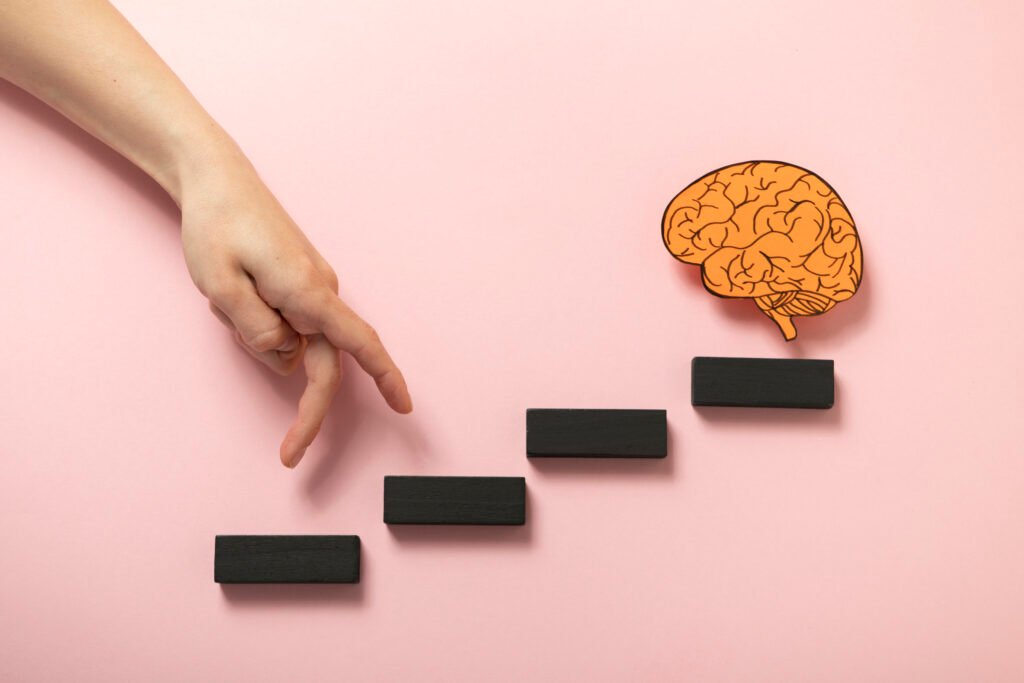
Implementing systematic mental fitness development requires structured action:
Week 1-2: Assessment & Baseline Measurement
Complete comprehensive mental health screening (ideally SMHAT-1 with clinical psychologist)
- Establish HRV baseline (7-day measurement at rest, preferably morning)
- Document current mood, stress, sleep quality, and confidence via simple questionnaire
- Identify 2-3 specific mental fitness deficits (e.g., “anxiety spikes before competition,” “difficulty recovering from poor performances”)
- Assess nutritional status; correct obvious deficiencies
Week 3: Build Foundation Skills
- Establish daily mindfulness practice (10 minutes, ideally morning)
- Learn three core breathing techniques: box breathing, extended exhale, tactical breathing
- Practice basic visualization (5 minutes daily, visualizing ideal performance)
- Identify personal pre-competition routine (10-15 minute protocol you’ll execute before every competition)
Week 4-8: Intensive Mental Skills Training
- Work with sports psychologist 1-2x weekly
- Practice arousal regulation techniques under coach supervision
- Develop competition-specific self-talk and mental routines
- Practice emotional recovery drills (how to respond to mistakes or setbacks)
- Document daily practice in journal; track mood and stress changes
Week 9-12: Integration & Performance Testing
- Apply mental skills in training competitions
- Refine techniques based on performance feedback
- Re-measure HRV (compare to baseline; should show improved recovery)
- Repeat mental health questionnaire; document improvements
- Adjust protocols based on what’s working
Months 4-6: Advanced Development & Maintenance
- Progress to advanced mental skills (flow state training, pressure simulation)
- Establish monthly comprehensive reassessment routine
- Integrate mental fitness coaching into regular training structure
- Continue daily practice (non-negotiable 5-15 minutes daily)
- Monitor external stressors; adjust support as needed
Months 6-12: Long-Term Maintenance & Refinement
- Quarterly formal psychological re-evaluation
- Continuous HRV monitoring (recognizing trends that signal stress or overtraining)
- Regular mental skills “tune-ups” with psychologist
- Adapt protocols as career circumstances change
- Maintain daily mental fitness practice as permanently integrated skill
Your Mental Fortress Awaits

The athletes who will claim medals in future competitions won’t be those with the strongest legs or the sharpest technical skills. They’ll be those with the most robust mental fitness-the psychological capacity to regulate arousal, recover from setbacks, maintain focus amid chaos, and sustain excellence across entire competitive seasons.
India’s sporting culture stands at an inflection point. We can continue ignoring mental fitness, allowing talented athletes to struggle alone with psychological battles they were never trained to navigate. Or we can systematically build mental fitness as foundational to athletic development, creating psychologically healthy, resilient, high-performing competitors.
The evidence is unambiguous. The protocols are proven. The tools are available. What’s missing is systematic implementation and cultural commitment.
If you’re an athlete, coach, or sports organization recognizing that mental fitness deserves equal emphasis as physical training-if you’re ready to build a comprehensive mental fitness protocol grounded in assessment, science, and multidisciplinary expertise-Ziathlon offers integrated psychological support combining sports medicine expertise, nutritional optimization, and performance psychology. We assess the root causes of mental fitness deficits, design individualized protocols, and monitor progress systematically.
Your competitive advantage begins in your mind. Let us help you build the psychological foundation for sustained excellence.