
Why Every Athlete Needs a Support Team: Physio, Dietitian, and Medical Screening
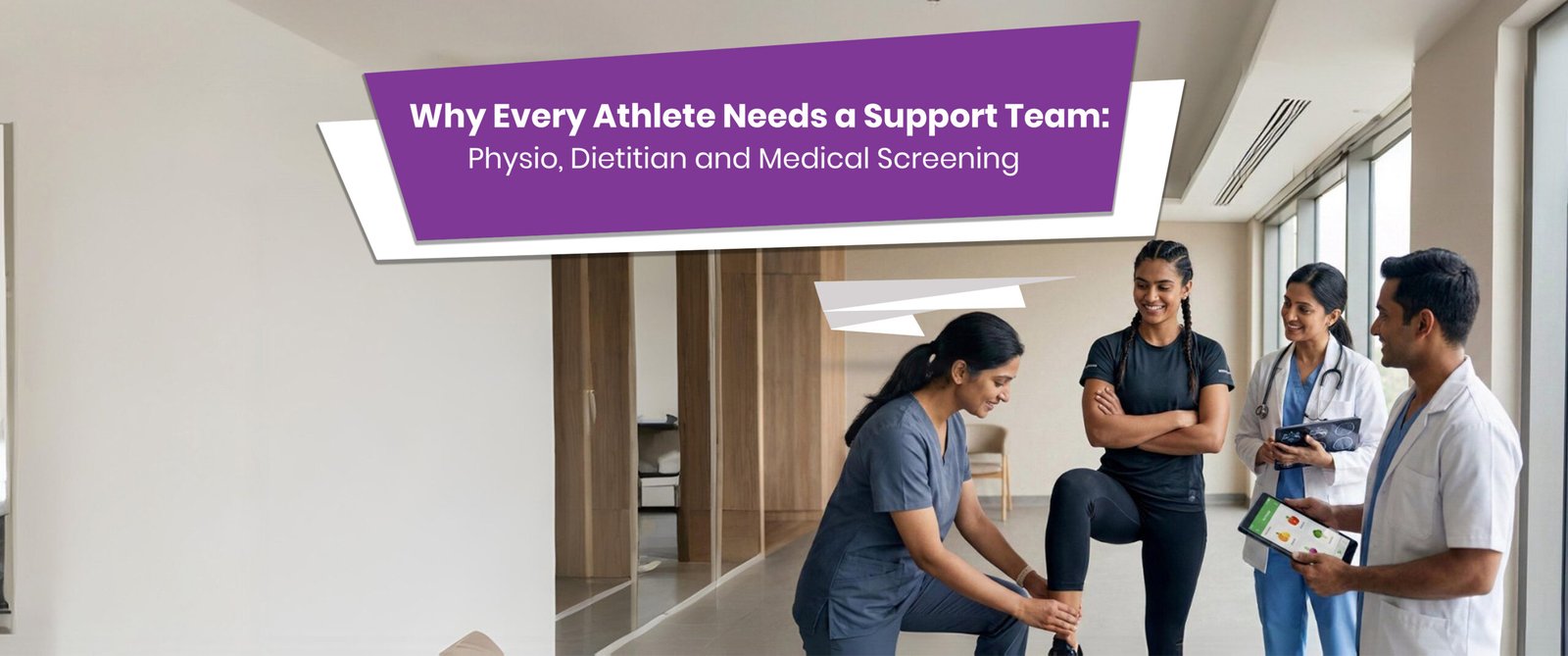
The journey to athletic excellence is not a solo endeavor. Behind every champion athlete, every weekend warrior, and every dedicated fitness enthusiast stands a network of specialists—a multidisciplinary team working in concert to optimize performance, prevent injuries, and accelerate recovery. Yet despite the critical importance of this support system, many athletes continue to navigate their health and fitness journey in fragmented pieces, consulting scattered specialists who rarely communicate with each other. The result? Suboptimal performance, delayed recovery, and missed opportunities for injury prevention. This is where the paradigm must shift.
The Hidden Cost of Fragmented Athlete Care
Consider the typical athlete’s experience today. A runner develops knee pain and visits a physiotherapist. A cyclist wants to optimize their power-to-weight ratio and consults a nutritionist. A competitive athlete undergoes a basic fitness assessment but never receives comprehensive medical screening. These specialists operate in silos, each providing valuable expertise, yet none possessing the complete picture of the athlete’s health status and performance goals.
This fragmented approach creates critical gaps. The physiotherapist focuses on rehabilitation without understanding the athlete’s nutritional intake or underlying medical conditions. The sports nutritionist formulates meal plans without knowledge of the athlete’s training load or injury status. And worst of all, the critical importance of sports medicine—the medical foundation upon which all performance optimization must rest—often goes unrecognized and underutilized.
Why Athlete Development is a Multidisciplinary Endeavor
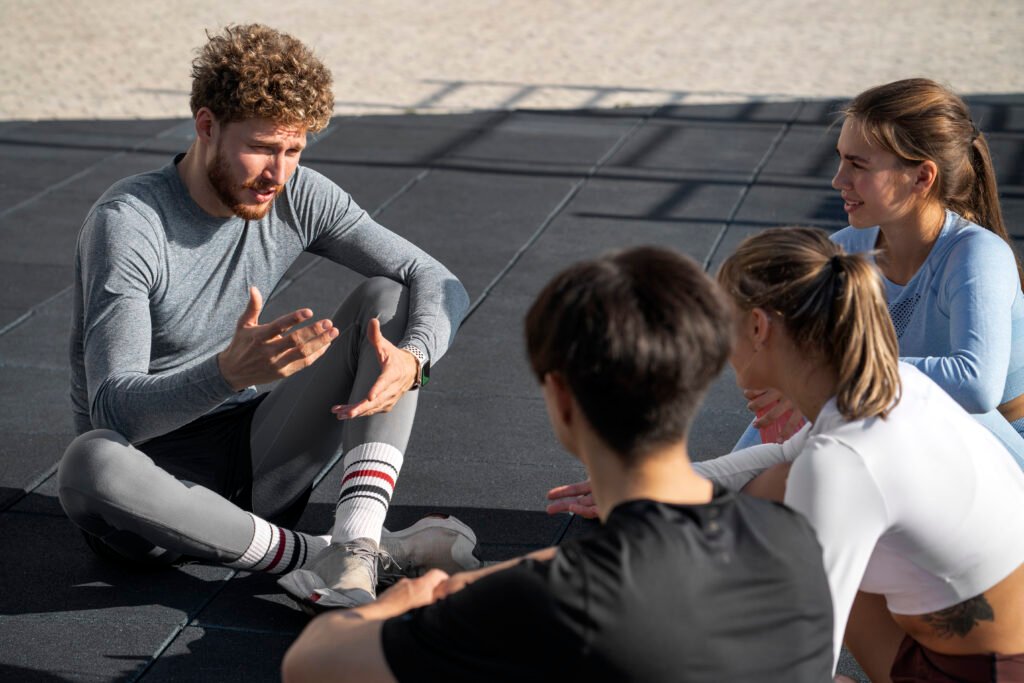
Athletic development is inherently holistic. It encompasses far more than training harder or running faster. True athlete development requires nurturance across multiple dimensions: physical conditioning, nutritional optimization, injury prevention, medical assessment, and psychological resilience. Each dimension is interconnected, and excellence in one area cannot compensate for deficiency in another.
Research consistently demonstrates that multidisciplinary sports science teams produce superior outcomes compared to single-discipline approaches. A multidisciplinary sports science team creates a synergistic effect where enhanced athlete care, improved communication, and professional growth among team members directly translate into better athlete health, well-being, and performance.
The Essential Components of Athlete Support
Sports Medicine: The Foundation
Sports medicine is a medical specialty that integrates standard medical training with sports science, exercise physiology, orthopedics, biomechanics, nutrition, and sports psychology. Yet despite these comprehensive credentials, many athletes and fitness enthusiasts don’t fully appreciate the critical role of sports medicine professionals.
Sports medicine specialists provide something irreplaceable: comprehensive medical screening and diagnosis. Pre-participation medical screening establishes baseline health status, identifies underlying conditions that may restrict safe participation, evaluates injury risk, and directs appropriate interventions. This screening process should include cardiovascular assessment, pulmonary evaluation, musculoskeletal examination, neurological screening, and review of family and personal medical history.
The goal isn’t simply to prevent participation—it’s to enable safe, optimized participation. Medical screening for athletes identifies conditions that serve as barriers to performance, assesses characteristics that may place athletes at risk for future injury or disease, and educates athletes regarding health risks and safe training practices.
Sports Physiotherapy: Movement Optimization and Injury Rehabilitation
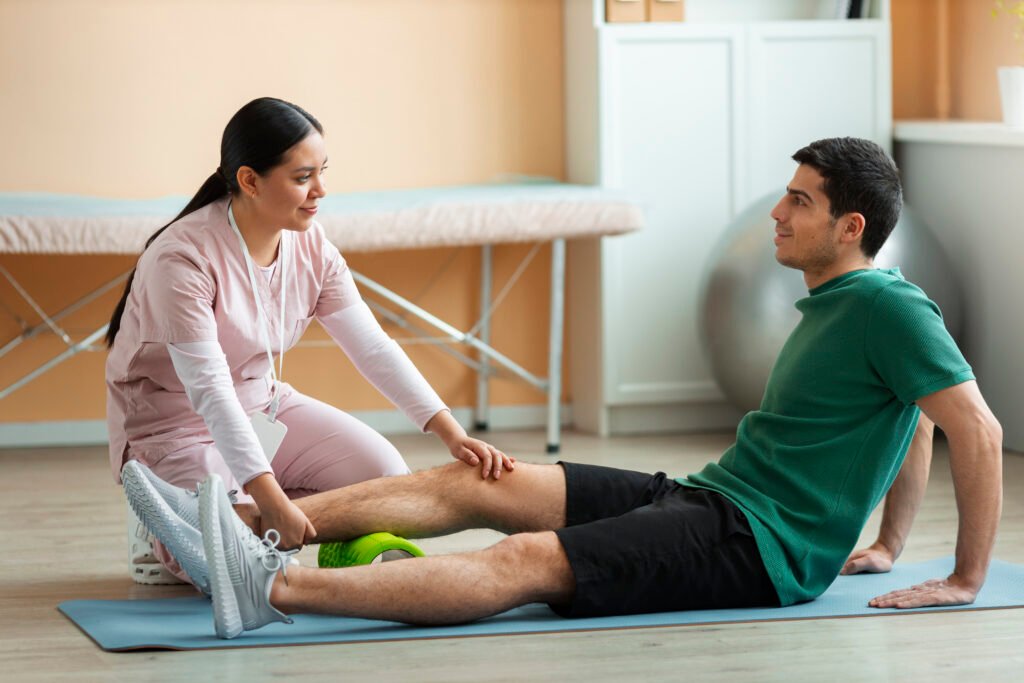
Sports physiotherapy represents a revolution in how athletes approach injury prevention and rehabilitation. Beyond treating acute injuries, sports physiotherapists employ clinical reasoning and therapeutic expertise to optimize movement patterns, enhance biomechanics, and build resilience against future injury.
The benefits extend across multiple dimensions. Performance enhancement through physiotherapy can increase oxygen delivery to tissues, improve cell-to-cell communication, and optimize coordination and agility. For athletes recovering from injury, specific **rehabilitation protocols ensure return to sport in minimum possible time, with strength progression exercises stabilizing previously injured areas and reducing re-injury risk.
Equally important is the educational component. Sports physiotherapists identify factors that may cause injuries and teach athletes proper techniques and preventive exercises. This knowledge empowers athletes to make informed decisions about their training practices and lifestyle choices.
Sports Nutrition: Fueling Performance and Recovery
Athletic performance is built in the kitchen as much as on the training field. Sports nutrition is not simply about eating more or eating less—it’s about strategic, individualized nutrition tailored to the athlete’s specific sport, goals, training load, and recovery timeline.
Nutritional strategies play a pivotal role in the recovery process by replenishing energy stores, maintaining energy availability, and promoting repair mechanisms and adaptive responses to exercise. The timing, quality, and quantity of nutrient intake all influence outcomes. For instance, consuming adequate carbohydrates and protein within the first 30-45 minutes post-exercise optimizes glycogen replenishment and initiates muscle recovery—a critical window that many athletes miss.
Beyond basic macronutrient management, sports dietitians help athletes optimize hydration strategies, supplement protocols, and body composition changes aligned with performance goals. More importantly, sports dietitians serve as the bridge connecting physical rehabilitation, performance optimization, and nutritional science—ultimately bringing all aspects of a multidisciplinary athlete care system together.
The Communication Gap: Where Integration Fails
Here’s the uncomfortable truth: having excellent specialists is insufficient if they don’t communicate. In today’s fragmented healthcare landscape, a physiotherapist designs a rehabilitation program without coordinating nutrient timing to support tissue repair. A sports nutritionist formulates a competition nutrition plan without understanding the athlete’s current training load or injury status. The sports medicine physician makes medical recommendations without input from the strength and conditioning coach.
The result is redundant efforts, inconsistent messaging, and suboptimal outcomes. Athletes receive conflicting advice. Recovery plateaus. Performance improvements are slower than they should be. Injuries recur.
Real integration requires:
Planned communication about progress: Regular team discussions about each athlete’s status, rehabilitation progress, and training adaptations
Shared decision-making: Coordinated planning where each specialist understands the others’ interventions and modifies their approach accordingly
Common goals: The entire team—physiotherapist, dietitian, sports medicine physician, strength coach—aligned around specific, measurable athlete-centered outcomes
Seamless data sharing: A single platform where all specialists can access comprehensive athlete data, eliminating information silos
Holistic assessment: Moving beyond linear, single-discipline approaches to understand how training load, nutritional status, injury history, and medical conditions interact to influence overall performance
The Current Landscape: A Scattered Ecosystem
For most athletes, finding this integrated approach requires traveling between multiple locations, coordinating appointments across different clinics, and personally bridging the communication gap between specialists. This creates enormous friction.
An athlete seeking comprehensive support might need to:
1. Schedule an appointment with a sports medicine physician at one clinic
2. Drive to a different location for physiotherapy sessions
3. Find a sports nutritionist at yet another facility
4. Coordinate timing and somehow ensure everyone is working toward the same goals
Even worse, many communities lack readily accessible sports medicine specialists altogether. The recognition of sports medicine’s critical role in athlete development remains surprisingly limited. Many athletes view their physiotherapist as sufficient, unaware of the irreplaceable role of medical screening and diagnosis.
Introducing the Integrated Solution: One-Stop Sports Medicine and Metabolic Fitness
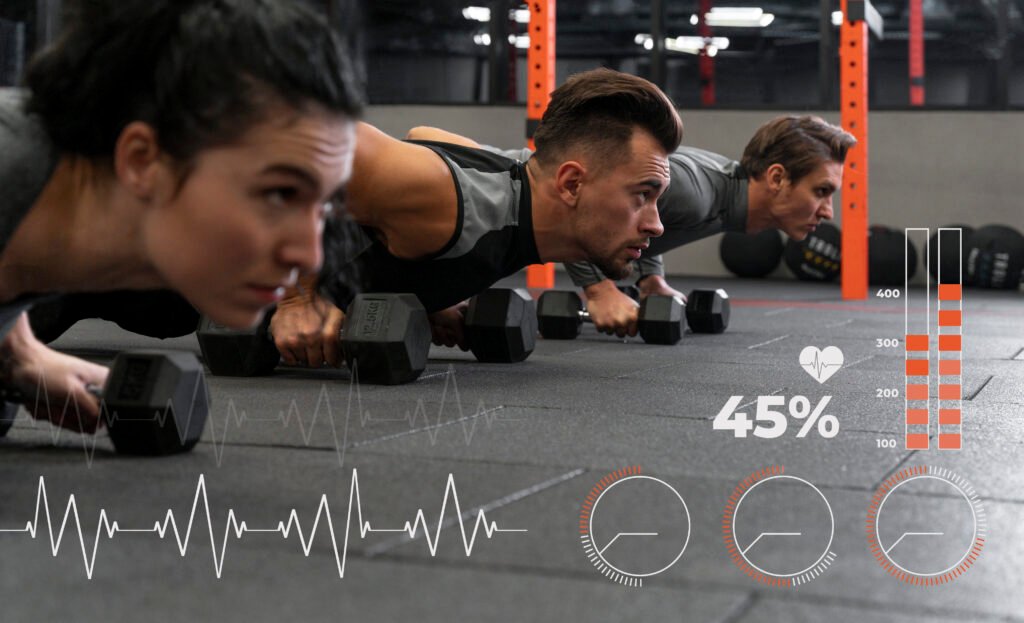
This is where the model must shift. Athletes deserve comprehensive, integrated, athlete-centric care under one roof.
A true one-stop sports medicine clinic brings all essential specialists together—sports medicine physicians, physiotherapists, sports nutritionists, strength and conditioning coaches, and sports psychologists—working as a coordinated multidisciplinary team. Every athlete receives:
Comprehensive medical screening: Establishing baseline health status and identifying conditions affecting performance or injury risk.
Integrated rehabilitation: Physiotherapy protocols coordinated with sports medicine oversight and nutritional support for optimal healing.
Optimized nutrition: Sports nutrition tailored to training demands, recovery needs, and individual health considerations.
Preventive assessment: Regular monitoring and screening that identifies risk factors before injuries occur.
Unified approach: All specialists communicating on a single platform, accessing comprehensive athlete data, and coordinating recommendations.
This integrated model transforms athlete development. Instead of fragmented specialist input, athletes receive cohesive, holistic athlete care where physio informs nutrition, nutrition supports rehabilitation, and medical oversight ensures everything is aligned with safe, sustainable performance goals.
The Path Forward for Athlete Development
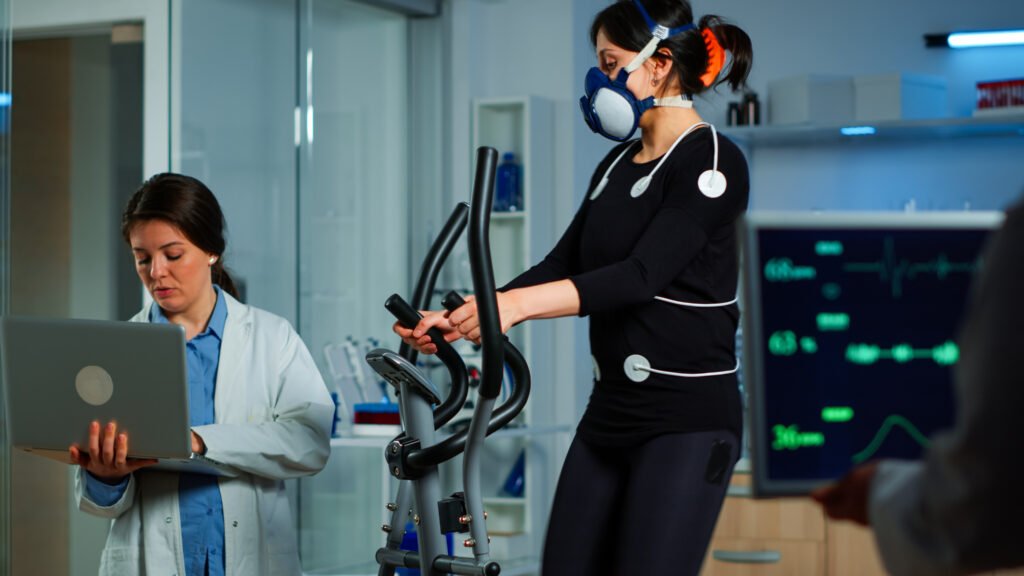
Every athlete—whether competitive or recreational, professional or weekend warrior—deserves this integrated support system. Athletic excellence requires nurturance across medical, physiological, nutritional, and psychological dimensions. Fragmenting this care across different locations and specialists who rarely communicate creates unnecessary barriers to performance.
The future of athlete development is unified. It’s multidisciplinary teams collaborating in real-time. It’s sports medicine recognized as foundational, not optional. It’s physiotherapy and nutrition working synergistically rather than independently. It’s athletes receiving comprehensive support from a health, fitness, and sports ecosystem designed with their needs at the center.
This integrated approach isn’t a luxury—it’s the new standard for athlete development. And it’s available now at clinics that recognize that champion-level care requires champions working together. Ziathlon represents this vision—a one-stop clinic for health, fitness and sports where every athlete receives the multidisciplinary support they deserve.