A Doctor’s Reality Check: Why Most Injury Prevention Fails and How Athletes Should Respond
Every week, I see athletes whose potential and seasons are cut short by preventable injuries. We have the science to drastically reduce these setbacks—yet 50–60% of sports injuries that could be prevented still occur[10]. Despite the best research, injury prevention fails because of fundamental problems in education, program design, athlete compliance, and team coordination.
My goal with this article: to ensure athletes, coaches, and support teams finally understand what true injury prevention requires, why traditional approaches so often miss the mark, and how we solve these issues at Ziathlon with robust, multidisciplinary strategies.
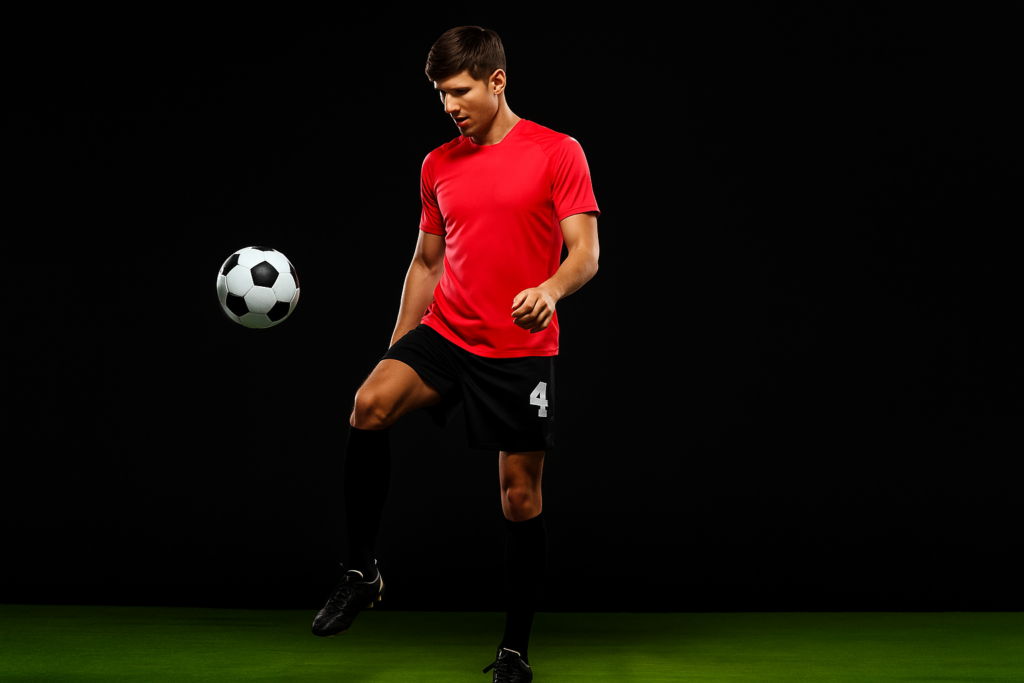
A Real – World Journey: The Footballer’s Story
Consider the journey of a young footballer I treated:
He sustained a partial ACL tear and medial meniscus injury—not uncommon in football. Ignoring his symptoms, he continued to play, believing “rest” or a bandage would suffice. His instability and pain increased; he eventually required surgery and months of rehabilitation. Post-surgery, the typical cycle played out: isolated physiotherapy, sporadic coaching input, no nutritional or psychological support, no structured return-to-play plan. Four months after “clearance,” he suffered another knee injury.
Today, he’s thriving in our Sports Injury Prevention Program at Ziathlon, where the FIFA 11+ protocol—a science-driven warm-up and neuromuscular control program—anchors his injury management. It’s a transformation that should have happened before injury, not after.
Why Athletes and Teams Fail at Prevention
1. The Adherence Crisis
Too many athletes see prevention as busywork instead of performance enhancement. Research shows fewer than a quarter of sports teams consistently implement evidence-based prevention programs, and less than 10% use them faithfully. Most programs are generic, failing to address the unique profiles of athletes by age, sport, biomechanics, or position. The result? Poor compliance and little impact.
2. Biomechanics and Real-World Demands
Most injuries—especially ACL tears—are non-contact and linked to deep biomechanical and neuromuscular deficits. Movements like landing, cutting, and accelerating in fatigue—not gym exercises—are when injuries happen. Yet standard prevention relies on generic strength moves and ignores the nuances of reactive, high-velocity sport.
We must assess and train for real-world, fatigue-induced movements using tools like video analysis and neuromuscular feedback.
3. Fragmented Support Teams
I routinely see prevention diluted by siloed practitioners: physiotherapists treat the injury, coaches drive performance, nutritionists focus only on recovery, and psychologists are brought in after problems arise. This fragmentation enables errors and stress for athletes.
Effective prevention requires shared communication, harmonized training loads, and unified, athlete-centric strategies. Anything less leaves athletes vulnerable.
4. Missing the Basics: Nutrition, Sleep, and Mental Health
Nutrition is foundational to injury resistance, yet most organizations involve nutritionists only post-injury. Chronic energy deficit, poor hydration, and micronutrient shortages raise injury risk and slow healing.
Sleep is another silent epidemic: athletes sleeping under 7 hours per night face much higher injury rates, but sleep is rarely tracked or optimized.
Psychological stress, anxiety, and poor coping skills dramatically increase injury risk, but mental health rarely receives the same attention as physical health in prevention
A Smarter Approach: Multidisciplinary, Personalized Prevention
At Ziathlon, we implement a 360-degree, individualized framework that breaks these silos:
Personalized Assessment: Every athlete receives a detailed biomechanical, psychological, nutritional, and workload evaluation, not just a quick screening.
Integrated Teamwork: Physiotherapists, doctors, coaches, nutritionists, and psychologists collaborate on a unified injury risk and performance plan—every voice at the table, every week.
Dynamic Monitoring: We track strength, movement quality, acute:chronic workload ratios, HRV, sleep, and nutrition year-round.
Criteria-Based Return-to-Play: Athletes don’t “graduate” from rehab by time alone, but by meeting strict benchmarks in strength, function, confidence, and decision-making.
FIFA 11+, for example, is a 20-minute protocol proven to cut football injuries in half when used regularly. At Ziathlon, it’s blended with personalized neuromuscular and proprioceptive exercises, recovery focus, and mental training.
Essential Takeaways and Action Steps for Athletes
1. Get Assessed—Don’t Guess
Insist on a thorough, sport-specific evaluation by a sports medicine professional. Know your individual risks—movement patterns, flexibility deficits, previous injuries, psychological stressors, sleep and nutrition habits.
2. Treat Sleep Like Training
Commit to 8 hours per night. Track sleep quality, manage screen time, and address any disturbances. Good sleep is the single most overlooked injury prevention “tool” available.
3. Build Mental Resilience
Utilize structured programs for mindfulness, goal-setting, and emotional regulation. Even 10 minutes daily can reduce stress and injury risk.
4. Demand Team Coordination
If your support professionals—physio, doctor, nutritionist, coach—aren’t communicating, push for it. Your body doesn’t “silo” its systems; your team shouldn’t either.
5. Embrace Evidence-Driven Warm-Ups
Stick to proven protocols like FIFA 11+, tailored to your needs. Prioritize form, balance, and core stabilization as much as strength.
6. Progress Gradually, Periodize Wisely
Avoid sudden spikes in training intensity or duration. Use load management strategies that blend tough sessions, active recovery, and regular testing.
7. Make Nutrition Prevention-First
Work with a nutritionist proactively. Focus on energy adequacy, strategic protein, and micronutrient support—not just fueling recovery after injury.
8. Monitor and Adapt
Check in regularly on pain, movement quality, sleep, mood, and workload. Adjust plans based on objective and subjective feedback, not just calendars.
For Support Teams: Your Responsibilities
Coaches, physios, and managers, recognize that athlete health equals athlete performance. True prevention is ongoing, multidisciplinary, and monitored. Create systems for regular team meetings; review every injury for learnings—not blame; communicate proactively; and champion sleep, mental health, and nutrition as much as technique.
The Ziathlon Edge
Our approach is simple but transformative: personalized, team-based, data-rich, proactive prevention.
The footballer in our case is now not just “back” but thriving, with tailored FIFA 11+ routines, real-time feedback, coordinated nutritional and psychological support, and ongoing monitoring for early warning signs.
Every athlete deserves this standard.
Take these lessons seriously. The injuries you never see—the seasons you never lose—are the real measure of prevention success.